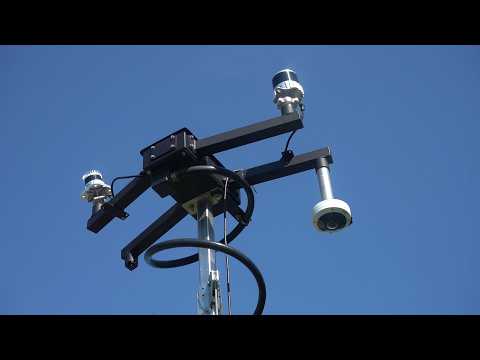
This research conducts field deployment and testing of enhanced traffic signal control systems using the Laguna-Du-Rakha formulation to optimize signal timings for reduced vehicle delays and fuel consumption at signalized intersections. Building on previous work demonstrating that traditional Webster formulation methods produce cycle lengths nearly three times longer than optimal under congested conditions, the study implements and validates improved signal timing approaches through real-world field testing in collaboration with Virginia Department of Transportation. The methodology involves identifying candidate intersections in the Blacksburg and Salem area, with primary focus on the Beamer Way and Southgate Drive intersection equipped with LiDAR surveillance instrumentation tracking objects within 150 meters. Optimized cycle lengths will be calculated using multi-objective optimization balancing delay minimization and fuel consumption reduction through adjustable weighting factors. Field implementation includes one-week deployment of optimized signal timing plans with LiDAR-based trajectory data collection for performance quantification including queue lengths, vehicle delays, stops, and fuel consumption measurements. VISSIM microsimulation modeling creates digital twins of selected intersections for validation against field data and sensitivity testing across various traffic demand levels and cycle length weight combinations, enabling assessment beyond observed field conditions and identification of optimal control strategies.
Universities Involved
Virginia Tech
Principal Investigators
Hesham A. Rakha
Expected Research Outcomes & Impacts
The application of this research will transform traffic signal management by enabling transportation agencies to implement optimized timing strategies that significantly reduce delays and fuel consumption at signalized intersections. Virginia Department of Transportation will gain validated tools for deploying improved signal control strategies statewide, potentially achieving 50 percent delay reduction and 15 percent fuel consumption savings demonstrated in prior research through single optimized cycle length implementation. Urban communities will benefit from reduced congestion, shorter queue lengths, and decreased vehicle emissions through signal timing that minimizes stops and acceleration events while balancing delay and fuel consumption objectives. The LiDAR-based evaluation methodology will provide transportation agencies with advanced capabilities for real-time intersection performance assessment and validation of signal timing effectiveness. Transportation planners will benefit from digital twin modeling approaches enabling analysis across traffic conditions beyond field observations, supporting evidence-based decision-making for signal timing investments. Long-term impacts include widespread adoption of LDR formulation across national transportation systems, leading to substantial reductions in vehicle delays and fuel consumption at the extensive network of signalized intersections. The partnership model with state transportation departments will facilitate broader technology transfer and deployment of optimized signal timing practices supporting more efficient traffic operations. Communities will experience improved air quality through reduced emissions and enhanced mobility through more efficient intersection operations, ultimately contributing to more livable urban environments and reduced transportation-related environmental impacts.
Subject Areas
Traffic Management, Intelligent Transportation Systems