Roadway safety remains one of the most persistent transportation challenges across the Mid-Atlantic region, particularly in rural and small urban communities, which consistently experience disproportionately high rates of fatal and serious injury crashes. Federal, state, and local agencies have adopted the Safe System Approach (SSA), which emphasizes proactive, system-level strategies to prevent severe crashes, yet operational implementation gaps remain in rural environments characterized by low traffic volumes, dispersed crash patterns, and resource constraints. Safety screening and project prioritization in these contexts continue to rely heavily on historical crash concentrations, which may fail to capture latent risk in low-volume corridors or rare but severe crash types.
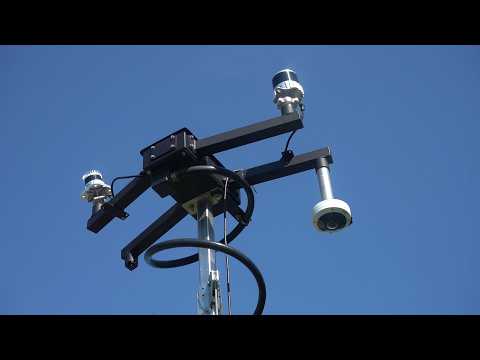
This project advances the operationalization of the Safe System Approach through the development and pilot application of a Safe System-aligned Risk Screening Tool for rural and small urban networks, supplementing traditional crash-based screening with structured systemic roadway risk factors and selected technology-enabled surrogate indicators, applied within a selected West Virginia network.
The project will produce a Safe System-aligned Risk Screening Tool for network-level application in rural and small urban transportation systems, including a structured risk factor matrix and scoring methodology; a pilot validation report documenting application within a selected West Virginia network and comparison with traditional crash-based screening approaches; feasibility guidance for incorporating selected surrogate safety indicators in low-frequency crash environments and for rare but high-severity crash types; a final technical report and a practitioner-oriented implementation guide with associated training material; and peer-reviewed publications and conference presentations. The work proceeds through network-level baseline assessment and structured crash analysis, development of a structured Safe System risk factor matrix, exploratory evaluation of technology-enabled surrogate indicators, and pilot application with practitioner validation. These outputs are designed for direct agency application, developed in collaboration with partners including the City of Morgantown, the Morgantown Monongalia MPO, and the West Virginia Department of Transportation.
Universities Involved
West Virginia University
Principal Investigators
- Dimitra Pyrialakou
Fei Dai
Expected Research Outcomes & Impacts
The expected outcomes include strengthened integration of Safe System principles into planning, routine safety screening, and asset-management practices in rural and small urban contexts. The Risk Screening Tool is expected to supplement crash-based prioritization by enabling agencies to identify elevated injury-risk conditions that may not emerge through crash counts alone, supporting proactive identification of elevated severity conditions before severe crash patterns develop.
Through early agency engagement and applied pilot validation, the project will generate measurable implementation outcomes, including pilot deployment of the screening framework within a state and/or local network, dissemination of practitioner training modules, and agency participation in validation and implementation discussions. By translating research findings into practitioner-ready tools and guidance, the project advances the practical, network-level operationalization of the Safe System Approach in the resource-constrained environments where severe-crash risk is most pronounced.
Subject Areas
Safe System Approach, Rural Roadway Safety, Risk Screening, Crash Analysis, Transportation Planning