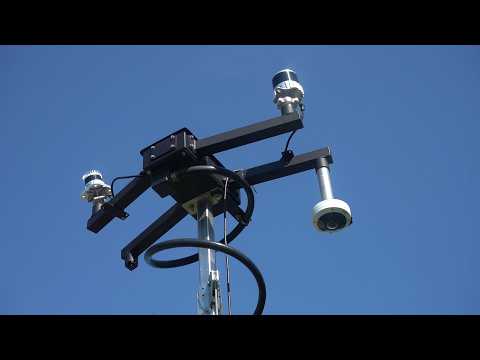
This research advances Connected and Automated Vehicle infrastructure through Phase III expansion of an established testbed, integrating LiDAR-powered safety applications with signal control systems and conducting comprehensive CAV market penetration analysis in partnership with Maryland Department of Transportation. Building on previous phases, the study coordinates signal phasing and timing across three campus intersections equipped with LiDAR and roadside unit infrastructure, implementing dynamic all-red extensions based on vehicle speed and red-light violation risk detection. The methodology develops pedestrian signal extensions activated by real-time crosswalk occupancy detection and creates Safety Data Sharing Messages compliant with SAE J2735 standards for broadcasting object-level data to vehicles. Portable LiDAR deployments collect trajectory data at additional intersections and work zones for solution validation. The market penetration analysis component catalogues CAV data sources, develops quality assurance frameworks, and compares traditional probe data with connected vehicle information. Collaboration with Maryland Motor Vehicle Administration provides vehicle registration cross-referencing with automation levels, while commercial vendor partnerships supply dynamic usage patterns. The research creates GIS-based visualizations representing regional CAV penetration and develops interactive dashboards for transportation planning support.
Universities Involved
Morgan State University
Principal Investigators
Mansoureh Jeihani,
Mansha Swami,
Ehsan Mehryaar,
Anam Ardeshiri
Expected Research Outcomes & Impacts
The application of this research will transform intersection safety management and state-level connected vehicle deployment strategies by providing transportation agencies with validated tools for adaptive signal control and comprehensive CAV market intelligence. Maryland Department of Transportation will gain enhanced capabilities to implement evidence-based policies for connected vehicle integration, optimize infrastructure investments, and develop targeted adoption strategies based on regional penetration analysis. Local transportation departments will benefit from dynamic signal control systems that reduce red-light violations, improve pedestrian protection, and enhance traffic flow through real-time condition adaptation. Connected vehicle operators will experience improved situational awareness through Safety Data Sharing Messages providing live object detection and conflict information. Transportation planners will utilize GIS-based CAV penetration mapping and interactive dashboards to identify investment priorities, assess infrastructure readiness, and target deployment strategies for maximum effectiveness. The portable LiDAR capabilities will enable scalable safety assessment and intervention implementation across diverse locations without permanent infrastructure requirements. Long-term impacts include reduced intersection conflicts, decreased pedestrian injuries, and improved traffic efficiency through coordinated adaptive operations. The market analysis framework will support other state agencies in developing CAV integration strategies, while the technical solutions will advance connected vehicle infrastructure deployment nationwide. Communities will benefit from enhanced safety and mobility through intelligent transportation systems that adapt to real-time conditions while supporting informed policy development for emerging vehicle technologies.
Subject Areas
Connected and Automated Vehicles, Intelligent Transportation Systems